

NFT Marketplace and NFT Launchpad: Understanding the Platforms

Updated: Dec 21, 2025
Read the full Web3 Culture & Creator Hub
NFTs (Non-Fungible Tokens) have revolutionized digital ownership, creating unique assets that are verifiable and tradeable on blockchain networks.
But owning an NFT isn’t just about having a digital collectible—it’s about understanding the infrastructure that supports it.
Two key components of the NFT ecosystem are NFT Marketplaces and NFT Launchpads. Both serve different purposes yet are critical for creators, collectors, and investors alike.
Learn more:

What Is an NFT Marketplace?
An NFT marketplace is a platform where users can buy, sell, and trade NFTs.
These marketplaces operate similarly to traditional e-commerce platforms but are built on blockchain technology.
Every NFT listed on a marketplace comes with on-chain proof of ownership and metadata that confirms its uniqueness and authenticity.
Some common NFT marketplaces include OpenSea, Rarible, LooksRare, and Foundation.
Each platform supports various types of NFTs, from digital art to music, domain names, in-game items, and even real-world assets tokenized on the blockchain.
Key Features of NFT Marketplaces
Listings and Auctions – Users can list NFTs at fixed prices or start auctions to allow bidding. Auction mechanics encourage competitive buying and can increase NFT value.
Wallet Integration – NFTs are stored in user wallets such as MetaMask, and marketplaces connect directly to these wallets for seamless transactions.
Royalties for Creators – Many platforms allow creators to receive automatic royalties every time their NFT is sold to a new owner. This incentivizes ongoing creation and supports long-term earnings.
Verification and Trust – Verified accounts and authenticated collections help buyers avoid scams and ensure they’re purchasing legitimate NFTs.
NFT marketplaces are the primary point of interaction between the NFT and the broader audience.
Without them, digital assets would remain siloed, making discovery and trading difficult.
Learn more:
What Is an NFT Launchpad?
While NFT marketplaces focus on trading, NFT launchpads are platforms designed to help creators mint and distribute NFTs efficiently.
Launchpads streamline the process of taking a concept from idea to a live NFT sale, often with additional tools for marketing and community engagement.
NFT launchpads are particularly popular for initial NFT drops, where early access and limited supply can create hype and value.
Some well-known launchpads include Mintable, Binance NFT Launchpad, and Solanium.
Core Functions of an NFT Launchpad
Minting Assistance – Launchpads simplify smart contract deployment, metadata creation, and NFT minting. Creators don’t need deep technical knowledge to launch their NFTs.
Whitelist and Presales – Many launchpads support whitelisting early supporters and running presale events, giving loyal community members priority access.
Marketing Tools – Launchpads often integrate social media promotion, email campaigns, and Discord support to boost visibility.
Integration with Marketplaces – Once minted, NFTs can be automatically listed on compatible marketplaces, enabling immediate trading post-launch.
Essentially, launchpads act as the entry point for creators into the NFT ecosystem, while marketplaces act as the ongoing trading hub for collectors and investors.
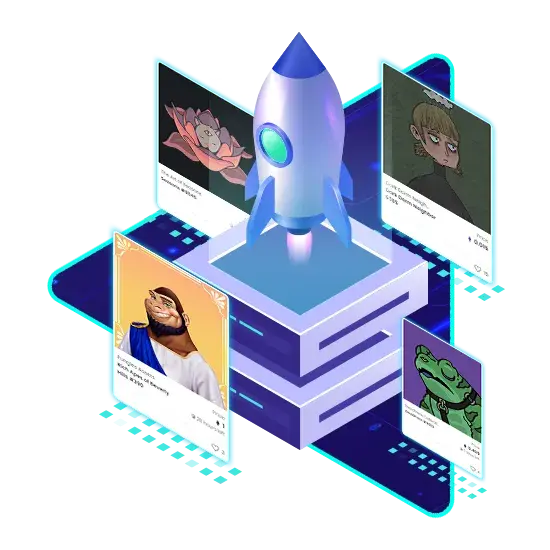
Differences Between Marketplaces and Launchpads
Feature | NFT Marketplace | NFT Launchpad |
Main Purpose | Buying and selling NFTs | Minting and launching NFTs |
Users | Collectors, investors, traders | Creators, project teams |
Timing | Post-launch | Pre-launch or launch |
Focus | Trading liquidity and discovery | Marketing, minting, community building |
Understanding these differences is crucial. Many projects rely on both platforms—launchpads for initial distribution and marketplaces for secondary trading and long-term visibility.
Why Both Matter in the NFT Ecosystem
NFTs thrive on liquidity and community engagement. Launchpads bring new projects to market, while marketplaces sustain their life cycle by enabling resale, bidding, and price discovery.
Investors often track launchpad drops to access NFTs before they hit marketplaces, potentially gaining early-stage advantages.
For creators, using both platforms can maximize reach. A successful launchpad event can create buzz and immediate demand, while marketplaces ensure ongoing secondary sales and royalty earnings.

Conclusion
NFT Marketplaces and NFT Launchpads serve complementary roles in the NFT ecosystem.
Marketplaces are where the trading action happens, connecting collectors and investors with digital assets, while launchpads empower creators to bring new NFTs into circulation efficiently.
Together, they form the backbone of a functional NFT economy, enabling discoverability, liquidity, and fair monetization.
To dive deeper into NFTs, check our guides section for tutorials, strategies, and advanced tips on NFT creation, trading, and launch optimization.


Comments