

Is Bitcoin Still a Good Investment in 2026? What You Need to Know

Updated: Dec 19, 2025
Read the full Tokenomics & Market Behavior Guide
Introduction
Bitcoin isn’t new—but its role in global finance continues to evolve.
With over a decade of history, four halvings, and growing institutional adoption, the question remains:Is Bitcoin still worth investing in for 2026 and beyond?
Let’s break it down.

🔹 1. Post-Halving Momentum
The April 2024 Bitcoin halving reduced block rewards from 6.25 to 3.125 BTC.
Historically, halvings are followed by strong bullish trends within 12–18 months.
2026 could be another repeat of that pattern—driven by scarcity and demand.
🔹 2. Spot Bitcoin ETFs Are Game-Changers
With spot Bitcoin ETFs now live in the US and several other countries, institutional capital is flowing in.
Funds from BlackRock, Fidelity, and others have made Bitcoin accessible to traditional investors—and billions are entering the market.
🔹 3. Inflation & Global Economic Uncertainty
In a world of rising debt and currency devaluation, Bitcoin remains a hedge.
Unlike fiat currencies, BTC’s fixed supply makes it attractive as a long-term store of value—especially in emerging markets and among wealth managers.
🔹 4. Institutional Infrastructure is Here
Major banks, asset managers, and payment processors now support Bitcoin custody, trading, and settlement.
This makes BTC not just an investment—but a serious asset class with global infrastructure backing it.
🔹 5. Still the Gateway to Crypto
Bitcoin remains the entry point for most new investors.Its security, decentralization, and brand reputation are unmatched—even in 2026.
For many, it’s still the safest and most reliable digital asset to hold.
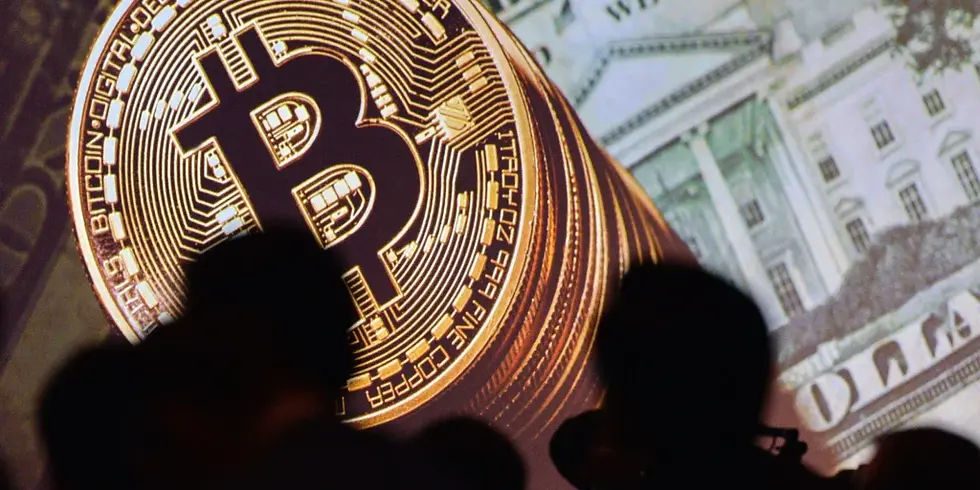
Why Bitcoin Remains a Strong Long-Term Investment
Bitcoin has matured significantly since its inception in 2009, transitioning from a niche digital experiment to a globally recognized asset class.
One of the strongest drivers of long-term value is scarcity. With only 21 million BTC available and the most recent halving reducing block rewards to 3.125 BTC, the supply side of the market is tightly constrained.
Historical patterns suggest that post-halving periods often trigger significant bullish trends as demand catches up to limited supply.
This built-in scarcity mechanism makes Bitcoin unique compared to fiat currencies, which can be printed at will by central banks, eroding value over time.
Institutional adoption further strengthens Bitcoin’s position. Major financial players like BlackRock, Fidelity, and other fund managers now offer spot Bitcoin ETFs, allowing billions in traditional capital to enter the market.
This legitimizes Bitcoin for mainstream investors and provides a level of liquidity and market stability previously unavailable.
Combined with secure custody solutions offered by banks and payment processors, Bitcoin now operates with infrastructure comparable to traditional financial instruments.
Additionally, Bitcoin’s role as a hedge against inflation remains relevant. In an era of rising global debt and currency devaluation, BTC’s fixed supply and decentralized nature make it an attractive store of value, particularly in regions where fiat currencies face instability.
Even with ongoing volatility, long-term investors can leverage Bitcoin’s characteristics for portfolio diversification, wealth preservation, and exposure to digital assets with high adoption potential.
Bitcoin’s Role in the Broader Crypto Ecosystem
Beyond its value as a standalone investment, Bitcoin continues to serve as the gateway for new entrants into the cryptocurrency space.
Its security, decentralization, and global recognition make it the default starting point for retail and institutional investors alike.
For many, Bitcoin is the most reliable entry into blockchain technology, offering a straightforward introduction without the complexity of smaller altcoins.
Bitcoin also underpins broader crypto infrastructure. Many exchanges, DeFi platforms, and payment processors use BTC as a base asset for trading pairs and collateral.

This systemic integration ensures that Bitcoin’s influence extends beyond its own price movement—it directly impacts liquidity, market confidence, and the adoption of other cryptocurrencies.
Emerging technologies such as Lightning Network payments enhance Bitcoin’s utility, enabling faster, low-fee transactions suitable for real-world use cases, including remittances and microtransactions.
Moreover, the institutional ecosystem around Bitcoin continues to expand. Asset managers, custodians, and financial services providers are now fully integrating BTC into portfolios, offering advanced analytics, insurance-backed custody, and structured products.
This reinforces Bitcoin’s position as a mature, long-term investment option.
For investors eyeing 2026 and beyond, Bitcoin remains central not only for growth potential but also as the backbone of the evolving digital finance ecosystem, combining scarcity, institutional support, and real-world utility.
🟩 Final Thoughts
Bitcoin in 2026 is more mature, more integrated, and more valuable than ever.
While volatility remains, its fundamentals continue to strengthen.
Is it still a good investment?For many, the answer is still yes—especially for those thinking long-term.
For a deeper dive into Bitcoin strategies, portfolio building, and advanced crypto insights, explore our comprehensive guides and start mastering the market today.


Comments