

Crypto Education & Tutorials (Beginner to Advanced)

Introduction
Before interacting with cryptocurrency, it is important to understand the basics and build a foundation first.
This guide serves as a central reference for crypto education, covering blockchain fundamentals, wallets, transactions, exchanges, DeFi, and more advanced on-chain mechanics.
The structure leads from basic concepts and definitions to practical usage and gradually into deeper Web3 topics.
The guide explains what cryptocurrency is, why blockchain exists, how digital assets are stored, and how interactions within blockchain networks function.
It introduces essential terminology, shows how wallets and exchanges work, and later expands into decentralized finance, smart contracts, and on-chain analytics.
It provides a structured progression from fundamentals to more advanced concepts without unnecessary complexity.

Cryptocurrency knowledge grows step by step.
The basics of blockchain, wallets, and security can be learned fairly quickly, while deeper areas like DeFi, on-chain analysis, and smart contracts take more time and ongoing learning.
This guide aims to offer clear, factual information without speculation, hype, or price-focused narratives.
In this guide, all core concepts are explained, while separate subposts explore each topic in more depth.
Reading the guide alone provides a solid general understanding of blockchain and its fundamentals, and the subposts can be used to expand knowledge further or dive into specific areas of interest.
This structure builds a basic foundation while also offering the option to study each concept more thoroughly.
The following chapters start with beginner concepts and gradually increase in complexity, moving into more advanced areas over time.
This pillar creates a structured learning framework for understanding cryptocurrency systems and their practical use.
Crypto Basics — Foundation Level
What is Cryptocurrency?
Cryptocurrency is a digital asset secured by cryptography and recorded on distributed ledgers.
Unlike traditional currencies, it operates without a central authority. Consensus mechanisms validate transactions, enabling direct peer-to-peer transfers without intermediaries.
Digital scarcity is central: blockchain prevents double-spending, ensuring each unit is unique and traceable.
Bitcoin illustrates this with a capped supply of 21 million coins, creating predictable, manipulation-resistant value.
Ethereum extends this concept with smart contracts, which automatically enforce rules and allow applications to run independently of centralized control.
At its core, cryptocurrency combines cryptography, distributed networks, and game theory to create systems resistant to censorship, fraud, and manipulation.
It enables programmable money, true digital ownership, and open financial networks, representing a fundamentally new way to design financial systems.
Blockchain Explained
A blockchain is a distributed ledger composed of sequential blocks, each containing a set of transactions.
Blocks are linked cryptographically, making changes extremely difficult without majority consensus, which ensures data integrity and immutability.
The network is maintained by nodes—computers that store, validate, and share data.
Consensus mechanisms such as Proof-of-Work and Proof-of-Stake prevent unauthorized rewriting of the ledger by requiring majority computational or economic control.
Transactions are validated, included in blocks, and replicated globally.
Decentralization removes single points of failure, unlike centralized databases where authority compromise can alter records.
Blockchain functions as an "internet of value," distributing ownership rather than data.
Digital assets, identities, contracts, and financial interactions become verifiable, transparent, and secure against unauthorized changes.

Types of Cryptocurrencies
Cryptocurrencies are generally divided into two main types: coins and tokens.
Coins operate on independent blockchains and serve as native assets within those networks.
Bitcoin exists on the Bitcoin blockchain, while Ether exists on Ethereum. Coins typically facilitate value transfer, secure the network, and incentivize block validation.
Their supply and monetary rules are encoded directly in the protocol.
Tokens do not require a separate blockchain and are issued on existing networks using standards like ERC-20 or BEP-20. They can represent utility, governance rights, stable value, synthetic assets, or claims on external systems.
Stablecoins such as USDT and USDC maintain parity with fiat currencies through collateral or algorithmic mechanisms.
Governance tokens grant voting rights in decentralized protocols, enabling collective decision-making without a traditional corporate structure.
Crypto assets also differ in consensus models, use cases, and security designs.
Understanding these distinctions is crucial to assess each asset’s function, risk profile, and design trade-offs.
How to Store Crypto Safely
Cryptocurrencies do not exist in a physical location; ownership is determined by control of private keys.
These keys generate cryptographic signatures that authorize transfers, granting control of the associated funds.
Loss of a private key results in permanent loss of access, as no central authority can restore it.
Wallets are divided into two main types. Custodial wallets delegate key control to an external entity, typically a centralized exchange, offering convenience but exposing users to risks such as platform insolvency, withdrawal freezes, or security breaches.

Non-custodial wallets retain full user control over private keys. Seed phrases provide backup for recovery, and hardware wallets further enhance security by isolating key signing in offline devices.
Effective crypto security depends on disciplined practices: cold storage for long-term holdings, multi-factor authentication for exchange accounts, offline backups of seed phrases, verifying addresses before sending funds, and caution with unsolicited requests.
Unlike traditional banking, security responsibility lies entirely with the key holder, and lost access cannot be reversed.
Crypto Risk Awareness
The cryptocurrency market carries inherent structural risks. Volatility arises from speculation, concentrated liquidity, and the absence of centralized stability mechanisms, with price swings of 20–50% over short periods being common.
High potential returns are accompanied by significant risk of loss.
Operational risks include mismanagement of private keys, phishing, fake websites, malicious smart contracts, and social engineering attacks.
Protocol risks involve contract vulnerabilities, oracle failures, and governance exploits. Regulatory uncertainty adds another layer, as rules can change rapidly, affecting asset classification and platform operation.
Effective risk management requires caution, research, diversification, disciplined security practices, and avoidance of irreversible mistakes.
Knowledge and understanding reduce the likelihood of loss when participating in decentralized systems.
Wallets & Security
When working with cryptocurrency, understanding wallets and security is essential. A wallet functions as the cryptographic key that authorizes access to coins and tokens, and proper key management is critical to prevent loss or theft. This guide outlines the concept of wallets, distinguishes between hot and cold storage, and provides practical methods for secure asset handling.
What is a Crypto Wallet?
A crypto wallet differs fundamentally from a physical wallet—it does not store coins directly. Instead, it secures the private keys required to authorize transactions on the blockchain.
Control over the private key equals control over the associated cryptocurrency. Wallets exist as software solutions (mobile or desktop applications) or as hardware devices designed for secure offline storage.
A wallet functions as a digital identity within blockchain networks. Transactions are authorized through cryptographic signatures generated from the private key, which verifies ownership and enables transfer.
If the private key is lost, access to the assets is permanently forfeited, as no central authority or institution can recover it.
Hot Wallet vs Cold Wallet
Hot wallets are internet-connected wallets designed for regular use. They’re convenient, fast to access, and integrate easily with exchanges or dApps.
Because they operate online, they carry higher risk exposure through phishing, malware, or compromised devices.
Cold wallets keep private keys offline. Hardware wallets like Ledger or Trezor offer strong long-term protection by isolating key signing from the internet.
They are ideal for store-of-value holdings, but less convenient for frequent transactions.
Quick Comparison:
Hot Wallets
Online & easy for daily use
Fast access, good for DeFi
Higher attack surface
Cold Wallets
Offline, high security
Best for long-term storage
Slightly less convenient
Learn more:
How to Set Up the First Wallet
Setting up a cryptocurrency wallet requires careful attention to security.
The first step is selecting the appropriate type: hot wallets, such as MetaMask, Trust Wallet, or exchange-based accounts, support frequent transactions and interaction with decentralized applications, while cold wallets, including hardware devices like Ledger or Trezor, offer offline storage and stronger protection for long-term holdings.
After selection, the official application should be installed or the hardware device initialized according to manufacturer instructions.
The wallet generates a private key and a 12–24 word seed phrase, which is the only method to recover access.
Seed phrases must be stored securely offline, as digital copies increase security risks.
Security measures—strong passwords, two-factor authentication, and PINs for hardware wallets—should be enabled immediately.
Test transactions with minimal funds are recommended to confirm correct functionality before transferring significant amounts.
Proper setup combines accurate configuration and disciplined security practices, establishing a reliable foundation for managing cryptocurrency assets safely.
Backup, Seed Phrase & Recovery
The seed phrase serves as the main security mechanism for a wallet, allowing recovery if the device is lost, stolen, or damaged.
It should be recorded offline, stored in multiple secure locations, and verified before transferring substantial funds.
Unlike traditional banks, lost credentials cannot be recovered, making responsibility for access entirely the holder’s.
Common Wallet Mistakes to Avoid
Avoiding mistakes is crucial:
Storing private keys or seed phrases digitally (screenshots, cloud storage).
Failing to verify wallet addresses before sending funds.
Reusing wallets for untrusted applications.
Neglecting firmware and security updates on hardware wallets.
Keeping all crypto in a single wallet.
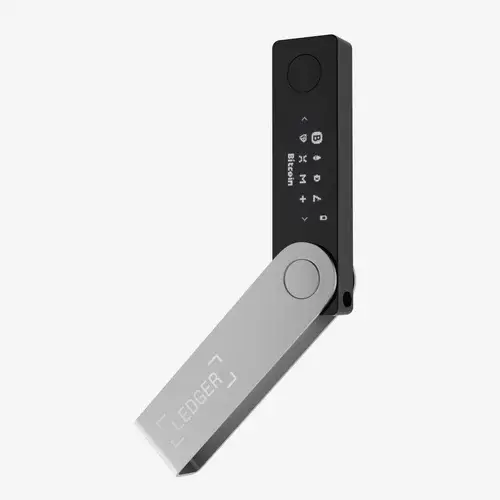
Hardware Wallet Beginner Setup
Hardware wallets isolate keys completely from the internet, reducing hack risks.
Typical setup:
Connect and initialize the device.
Set a PIN and password.
Securely record the seed phrase offline.
Perform a test transaction.
Hardware wallets are ideal for long-term investors holding large amounts of crypto.
Devices like Ledger or Trezor also support smart contracts and multi-signature wallets while keeping keys offline.
Conclusion
Wallets form the foundation of cryptocurrency security.
Hot wallets offer convenience for daily transactions, while cold wallets provide maximum protection for long-term holdings.
Proper backup of seed phrases and the use of hardware wallets significantly reduce risk.
Linking to wallet tutorials and comparison guides further enhances the website’s authority and trustworthiness.
Buying Crypto — Step-by-Step
Acquiring cryptocurrency involves a structured approach that ensures security, clarity, and effective participation in digital markets.
Understanding this process allows both beginners and experienced users to make informed decisions and minimize risks.
The journey can be divided into several key stages: choosing an exchange, completing verification, managing deposits and withdrawals, executing purchases, understanding trading modes, and applying strategic investment techniques.
Choosing a Cryptocurrency Exchange
The first step is selecting a trustworthy exchange. Important factors include:
Security measures such as two-factor authentication and cold storage
Supported cryptocurrencies and market liquidity
Fees for trading, deposits, and withdrawals
Regulatory compliance and protection policies

Established platforms like Binance offer high liquidity, a wide asset selection, robust security, and insurance coverage for certain losses.
Evaluating exchanges based on these criteria ensures safer and more efficient trading.
Additionally, beginner-friendly features, mobile apps, and educational resources can improve user experience and confidence.
Learn more:
Verification (KYC) Explained
Most reputable exchanges require identity verification to comply with anti-money laundering regulations.
Known as Know Your Customer (KYC), this process typically involves submitting government-issued ID and proof of residence.
Verification levels determine transaction limits and access to advanced features.
Completing KYC accurately ensures uninterrupted account access and reduces the risk of future restrictions.
Buying Cryptocurrency for the First Time
Once your account is verified, funding it with fiat currency is the next step—via bank transfer, credit card, or other supported methods.
After the funds are available, the desired cryptocurrency can be selected, and a purchase executed.
Start with a small test transaction to confirm the process works correctly.
Verify deposit confirmations and the destination wallet address before moving larger amounts.
This cautious approach reduces the chance of mistakes and helps familiarize users with platform mechanics.
Deposits, Withdrawals, and Fees
Understanding how funds move in the world of cryptocurrency is essential.
Exchanges charge fees for deposits, withdrawals, and trading, which can be fixed or percentage-based.
On top of that, network fees may apply depending on which cryptocurrency and blockchain are used.
Keeping track of these costs helps investors manage their holdings efficiently and avoid unexpected losses.
It’s also crucial to use the right network when transferring tokens—for example, choosing correctly between ERC-20 and TRC-20 for USDT. Using the wrong network can lead to permanent loss.
Spot vs Futures vs Margin
Exchanges often offer multiple trading modes:
Spot Trading: Buying or selling assets directly at current market prices. Recommended for beginners due to simplicity and low risk.
Futures Trading: Speculating on future prices with leverage. Profits and losses are magnified.
Margin Trading: Borrowing funds to increase position size, which raises both potential gains and risks.
Starting with spot trading is generally advisable before exploring leveraged instruments.
Dollar-Cost Averaging (DCA) Strategy
Dollar-cost averaging is a method where a fixed amount is invested at regular intervals, regardless of price.
Benefits include:
Reducing exposure to short-term volatility
Avoiding the need to time the market
Averaging purchase prices over time for long-term accumulation
DCA works well for long-term strategies, allowing investors to steadily build a position without reacting to every market swing.
Blockchain Mechanics (Intermediate)
To really understand cryptocurrency and decentralized applications, it helps to take a closer look at how blockchain technology actually works.
This intermediate-level guide walks through how transactions happen, the different consensus mechanisms, the role of blocks, validators, and gas fees, as well as smart contracts and the differences between Layer 1 and Layer 2 solutions.
Learn more:

How Transactions Work
At its core, a blockchain is a decentralized ledger that records transactions in a secure and transparent way.
When someone initiates a transaction, it is sent out to the network and waits to be validated.
Each transaction usually includes key details, like the sender’s and recipient’s addresses, the amount being transferred, and a digital signature to confirm authenticity.
Once validated, it’s grouped with other transactions into a block and permanently added to the blockchain, making it tamper-proof and fully transparent.
Understanding this process is essential for anyone looking to manage funds wisely or build applications on top of blockchain networks.
Unlike traditional systems, there’s no central authority approving transactions—validation happens through a consensus mechanism that ensures only legitimate transactions are recorded.
Consensus Mechanisms (PoW, PoS…)
Consensus mechanisms are the rules and processes blockchains use to keep the network secure and trustworthy.
Proof of Work (PoW), which Bitcoin uses, requires participants—called miners—to solve complex mathematical puzzles to validate transactions and add new blocks to the chain.
This method uses a lot of computational power but provides a high level of security.
Proof of Stake (PoS), by contrast, lets validators lock up a certain amount of cryptocurrency as collateral to propose and confirm blocks.
PoS is much more energy-efficient and is used by networks like Ethereum 2.0.
There are also other mechanisms, such as Delegated Proof of Stake (DPoS) and Practical Byzantine Fault Tolerance (PBFT), which focus on improving scalability, speed, and decentralization in different ways.
Understanding these approaches helps both investors and developers see how blockchain networks maintain security, efficiency, and trust without relying on a central authority.

Blocks, Validators & Gas Fees
Blocks are the building blocks of a blockchain, each containing a group of transactions, a timestamp, and a link to the previous block.
Validators or miners are responsible for confirming these blocks and keeping the network secure and accurate.
Gas fees, especially on networks like Ethereum, are the transaction costs paid to validators for processing and recording transactions.
These fees can fluctuate depending on network activity—when the network is busy, fees rise to prioritize transactions.
For anyone using smart contracts or trading frequently, keeping an eye on gas fees is essential to avoid unnecessary costs.
Smart Contracts Overview
Smart contracts are self-executing programs that run on a blockchain and automatically enforce a set of predefined rules.
They remove the need for intermediaries, enabling trustless agreements between parties.
Smart contracts form the backbone of decentralized finance (DeFi), NFTs, and many other blockchain-based applications, making them essential knowledge for anyone looking to deepen their understanding of the space.
When creating or using smart contracts, it’s important to consider factors like gas fees, transaction timing, and network congestion, as these can affect how and when a contract executes.
Errors or vulnerabilities in a smart contract can result in permanent losses, highlighting the need for careful design, thorough testing, and regular auditing.
Learn more:
Layer 1 vs Layer 2 Explained
Layer 1 refers to the base blockchain network itself, like Bitcoin, Ethereum, or Solana.
Layer 2 solutions are protocols built on top of these networks to improve scalability, reduce transaction fees, and speed up transactions.
Examples include the Lightning Network for Bitcoin and rollups for Ethereum.
These Layer 2 solutions let users transact faster and more cheaply without sacrificing the security of the underlying Layer 1 blockchain.
Understanding the difference between these layers is key for evaluating investment opportunities, building applications, and optimizing network efficiency.
By getting a solid grasp of these intermediate blockchain mechanics, users build a strong foundation for navigating the crypto ecosystem.
DeFi & Web3 Tutorials
What is DeFi?
Decentralized Finance, or DeFi, is changing how people handle money by removing traditional middlemen like banks and financial institutions.
It lets users trade, lend, borrow, and earn interest directly through blockchain-based apps, making financial services more open, transparent, and accessible worldwide.
DeFi platforms create an ecosystem where anyone with an internet connection can participate, leveling the playing field compared to traditional finance.
But DeFi isn’t just about simple transactions. It also powers innovative tools like synthetic assets, algorithmic stablecoins, and automated investment strategies.
For anyone serious about cryptocurrency, understanding DeFi is essential, as it’s one of the fastest-growing and most versatile areas in the crypto space.
Learn more:

How to Connect Wallet to dApps
The first step in interacting with DeFi is connecting a crypto wallet to decentralized applications (dApps).
Popular wallets such as MetaMask, Trust Wallet, and Coinbase Wallet act as a bridge between the blockchain and the user.
Once connected, a wide range of actions becomes possible, including swapping tokens, providing liquidity, staking assets, and participating in lending or borrowing.
Security plays a critical role when linking wallets. It is important to verify the dApp’s website, avoid suspicious links, and keep private keys or seed phrases confidential.
A properly connected wallet allows access to the full range of DeFi services while maintaining control over funds.
Using DEXs (Uniswap/PancakeSwap examples)
Decentralized exchanges (DEXs) enable cryptocurrencies to be traded directly on the blockchain, without relying on centralized intermediaries.
Platforms such as Uniswap and PancakeSwap use liquidity pools to determine token prices, rather than traditional order books.
DEXs offer greater flexibility and control over trades, but factors like slippage, network congestion, and gas fees can influence transaction costs and execution speed.
Being able to interpret pool sizes, token pair ratios, and price impacts is important for managing risk effectively when trading.
Liquidity Pools: Yield but Risk
Liquidity pools are a fundamental part of DeFi, allowing tokens to be deposited to facilitate trading while earning a portion of the platform’s transaction fees.
Although they can provide attractive returns, liquidity providers must account for risks such as impermanent loss—losses that occur when token prices shift relative to each other within the pool.
Effective strategies include selecting stablecoin pools, diversifying contributions across multiple pools, and regularly monitoring pool performance.
A clear understanding of these dynamics helps maximize potential returns while keeping risks under control.
Staking, Lending, Borrowing
Staking, lending, and borrowing offer different ways to earn with cryptocurrency. Staking involves locking tokens to help secure a network while earning rewards.
Lending allows capital to be provided to others in exchange for interest, and borrowing gives access to liquidity without the need to sell assets.
Each of these activities comes with its own risk and reward profile, making careful evaluation and understanding essential before participation.
Risks: Impermanent Loss, Rugpulls
DeFi carries inherent risks. Impermanent loss, rugpulls, and vulnerabilities in smart contracts can lead to permanent financial losses.
Thorough research, understanding how each platform operates, and investing only what can be safely risked are essential precautions for participating securely.
Grasping these concepts provides a strong foundation for navigating the DeFi and Web3 ecosystem confidently, helping to maximize opportunities while minimizing potential risks.
NFTs & Token Standards
What is an NFT?
Non-fungible tokens (NFTs) are unique digital assets stored on a blockchain that represent ownership of items like digital art, collectibles, music, or virtual real estate.
Unlike cryptocurrencies such as Bitcoin or Ethereum, which are interchangeable, each NFT is one-of-a-kind with distinct characteristics.
This uniqueness allows creators to sell digital content with verifiable scarcity, authenticity, and clear ownership.
NFTs go beyond static images or art—they can also include videos, audio files, or interactive digital experiences.
The blockchain makes ownership and provenance publicly verifiable, building trust for collectors and investors.
By turning digital assets into NFTs, a whole new model for ownership and monetization emerges, one that wasn’t possible in traditional online environments.
Learn more:

ERC-20 vs ERC-721 vs ERC-1155
NFTs and tokens follow different blockchain standards depending on their intended use.
ERC-20 tokens are fungible, meaning each token is identical and interchangeable, and they are commonly used as cryptocurrencies or utility tokens within platforms.
ERC-721 tokens, on the other hand, are non-fungible and represent unique assets, making them the standard for most NFTs.
ERC-1155 is a hybrid standard that allows a single smart contract to handle both fungible and non-fungible tokens, offering efficiency for gaming items, collections, and multi-token projects.
Understanding these standards is essential for anyone participating in NFT marketplaces or working with token-based applications.
Knowing how each standard functions ensures compatibility across platforms, reduces technical errors, and enables better-informed decisions when buying, selling, or creating tokens.
How to Mint/Buy NFTs
Minting an NFT means creating a unique token on a blockchain, usually through marketplaces like OpenSea, Rarible, or Magic Eden.
This process gives the digital asset a unique identifier and records it on the blockchain, proving both ownership and authenticity.
Purchasing an NFT typically involves connecting a crypto wallet, selecting the NFT, and completing the transaction on the blockchain.
Transactions often include gas fees, which can fluctuate based on network congestion and the blockchain used.
Choosing the right platform and timing the transaction carefully can help reduce costs.
It’s also essential to verify the legitimacy of an NFT project before minting or buying to avoid scams or counterfeit tokens.
NFT Utility Examples
NFTs are no longer limited to digital art—they are increasingly being used for practical purposes.
They can function as access passes to events, membership tokens for exclusive communities, in-game items, or even fractional ownership of physical assets.
Utility-focused NFTs expand the ways this technology can be applied, connecting digital experiences with real-world use cases.
For example, gaming platforms often use NFTs to represent weapons, skins, or collectibles that players can trade, sell, or upgrade within the game ecosystem.
Risks and Speculation Problems
NFTs come with significant risks. Prices can be highly volatile, making speculative investments potentially dangerous.
The space is also prone to scams, rugpulls, and illiquid markets. Conducting thorough research, understanding a project’s fundamentals, and only investing amounts that can safely be risked are essential for secure participation.
Having a clear understanding of what NFTs are, the standards they follow, how to mint or buy them, their potential uses, and the associated risks allows individuals to navigate the NFT ecosystem with confidence.
This knowledge helps make informed decisions in a fast-evolving and sometimes unpredictable sector.
Advanced Level Tutorials – Deep Dive for Advanced Users
Advanced blockchain interaction goes beyond basic wallet operations and simple trades.
At this level, the focus shifts to understanding how smart contracts work internally, applying methods to reduce gas consumption, analyzing on-chain data, and following security practices used by experienced Web3 participants.
These skills build technical depth and enable more efficient, safer engagement with decentralized systems.
Instead of treating blockchain as a black box, it becomes something that can be examined, optimized, and used with greater insight and control.
Reading Smart Contracts (Basic)
Smart contracts, commonly written in Solidity, are made up of functions, variables, events, and access rules that determine how the program operates.
When reviewing a contract, it is useful to first look at the overall layout: the contract name, state variables, mappings, visibility of functions, modifiers, and require statements that enforce conditions.
Risk-sensitive elements often include ownership controls, withdrawal logic, external contract calls, and features related to minting or token supply.
Because many contracts are publicly accessible on platforms like Etherscan, the underlying code can be inspected directly, and functions can be tested through the read/write panel.
Familiarity with how contract logic is structured helps reduce blind trust and allows a more informed assessment of whether a protocol is designed securely.

Gas Optimization Strategies
Gas fees play a major role in transaction efficiency, especially when the network is busy or when interacting with contracts that require heavier computation.
Optimization aims to reduce the amount of work a contract performs on-chain.
Practical methods include choosing efficient data types, keeping storage operations to a minimum, batching multiple actions into fewer transactions, and using Layer-2 solutions like rollups to lower costs.
Compiler settings can help reduce gas usage as well, and in advanced cases techniques such as unchecked arithmetic can reduce overhead when used safely.
Tracking gas conditions through tools like GasTracker enables more cost-effective execution timing.
For developers, gas-aware design improves scalability and can create smoother interaction for users and protocols alike.
On-Chain Analytics (Etherscan, Dune, etc.)
On-chain analytics tools provide transparency into blockchain activity by visualizing transactions, token flows, and wallet interactions.
Etherscan remains one of the main sources for contract information, transaction records, token distribution, and verified contract code.
More advanced solutions such as Dune Analytics, Nansen, or Arkham allow the creation of custom dashboards to track liquidity shifts, whale behavior, user engagement, and changes in total value locked.
Access to live on-chain metrics makes it possible to evaluate market sentiment, assess protocol stability, identify trends, and confirm whether a project’s performance aligns with its public claims.
Security Practices for Power Users
Higher technical skill also demands strong security practices.
A solid foundation includes storing assets with hardware wallets, monitoring token allowances, verifying contract addresses, and revoking permissions for unused dApps.
For larger portfolios, multisignature wallets reduce single-point failure, while audited contracts, active GitHub repositories, and transparent development teams contribute to more reliable trust assessment.
A large portion of DeFi losses stem from phishing attacks, unverified contracts, compromised user interfaces, or social engineering — often more than from code vulnerabilities alone.
Effective security in Web3 is not a one-time setup but a continuous process built on code awareness, network knowledge, and active risk management rather than passive trust.
Building a Simple Smart Contract
Creating a basic smart contract represents a meaningful shift from user to builder. A simple ERC-20 token or NFT contract is often the first practical step.
The workflow usually involves writing Solidity code, compiling it, deploying through tools like Remix or Hardhat, and connecting a wallet to interact with the deployed contract.
Once live, verifying the contract on Etherscan makes the source code publicly viewable and easier to trust.
From there, features such as staking logic, time-locked functions, governance modules, or automated yield mechanisms can be added as the next stage of development.
Even a minimal contract provides hands-on insight into how blockchain logic executes and forms a base for more advanced skills.
By combining contract review, gas-efficient design, on-chain analytics, security practices, and development capability, technical proficiency in Web3 becomes well-rounded.
This foundation supports independent protocol evaluation, safer capital allocation, and direct contribution to blockchain infrastructure.
Moving from end-user to builder strengthens authority and creates a deeper, practical understanding of how the ecosystem operates.
Tools & Resources Hub
Having the right tools is essential for navigating the cryptocurrency ecosystem efficiently and safely.
This section acts as a central hub that brings together the most important crypto tools, platforms, and resources.
Instead of searching across dozens of websites, users can rely on this overview to understand which tools are used for which purpose and where to go next.
Each category below links to dedicated guides and tutorials that explain setup, usage, and best practices in more detail.

Cryptocurrency Exchanges
Exchanges allow users to buy, sell, and trade cryptocurrencies using fiat or other digital assets.
They act as the primary entry point for most users.
Binance is one of the most widely used exchanges due to its high liquidity, broad asset selection, and advanced trading features.
It supports spot trading, futures, staking, and a wide range of blockchain networks.
While centralized exchanges offer convenience, users should always understand custody risks and withdrawal practices.
Other exchange types covered in this guide include:
Centralized exchanges (CEXs)
Decentralized exchanges (DEXs)
Fiat on-ramps and off-ramps
Block Explorers
Block explorers are essential tools for transparency. They allow anyone to inspect transactions, wallet balances, smart contracts, and network activity in real time.
Commonly used explorers include:
Etherscan (Ethereum)
BscScan (BNB Chain)
Blockchain com Explorer (Bitcoin)
Solscan (Solana)
Block explorers are used to verify transactions, analyze token distributions, check contract code, and monitor on-chain activity.
Learning how to read explorer data is a key step toward understanding how blockchains actually function.
Portfolio Trackers & Analytics Tools
Portfolio trackers help users monitor asset balances, performance, and allocation across multiple wallets and exchanges.
They reduce the need to manually calculate holdings and provide a clearer overview of exposure and risk.
Popular tracker and analytics categories include:
Portfolio tracking apps
Price tracking platforms
On-chain analytics dashboards
Gas fee trackers
These tools are useful for both casual users and advanced participants who want to follow market movements, wallet activity, or protocol metrics without relying on centralized reporting.
Summary & Next Steps
This guide provides a structured overview of cryptocurrency, starting from basic concepts and gradually moving toward more advanced blockchain mechanics.
Instead of focusing on price speculation or short-term trends, it builds a functional understanding of how crypto systems work, how assets are stored and transferred, and how decentralized applications operate.
By covering fundamentals, practical usage, and deeper technical layers, the guide is designed to be both a starting point and a long-term reference.

A Suggested Learning Path
Crypto knowledge builds best in stages. The sections of this guide naturally align with three progression levels:
Beginner Level
Start with the basics:
What cryptocurrency is and why blockchain exists
How wallets work and how to store assets safely
How to buy crypto and avoid common mistakes
This level focuses on understanding ownership, security, and basic interaction with exchanges and wallets.
Intermediate Level
Move deeper into mechanics:
How transactions are processed
Consensus mechanisms and network fees
Smart contracts, Layer 1 vs Layer 2, and on-chain activity
At this stage, users gain clarity on how blockchains function internally and how decentralized systems differ from traditional infrastructure.
Advanced Level
Explore technical depth:
Reading smart contracts
Gas optimization and on-chain analytics
DeFi risks, permissions, and security practices
This level is aimed at users who want to evaluate protocols independently, reduce risk, or build directly on blockchain networks.
Progressing step by step reduces errors and builds durable understanding rather than surface-level familiarity.
Continue Learning by Topic
This pillar serves as a central foundation.
Each major concept introduced here links to dedicated guides that explore the topic in more depth.
These guides are organized into clear topic clusters, allowing focused learning without repetition.
To continue, explore the full collection of in-depth tutorials, explanations, and walkthroughs across all crypto topics:
There you’ll find structured cluster pages covering wallets, exchanges, blockchain mechanics, DeFi, NFTs, security, and advanced on-chain concepts.


Comments